
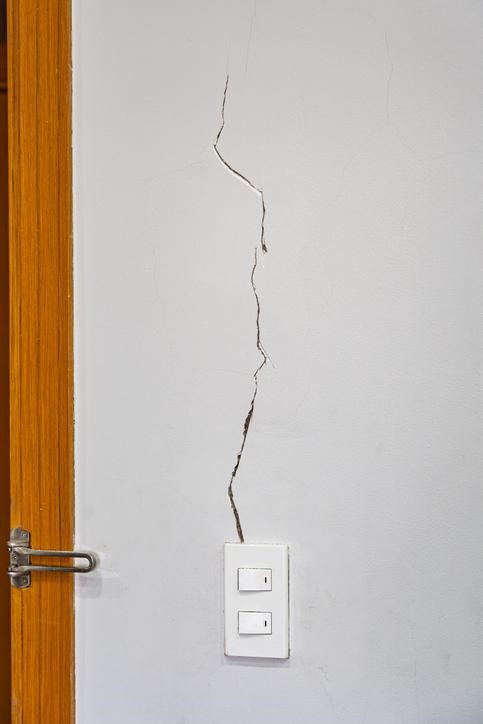
Taking possession of a property is an exciting moment, but it’s also crucial to be aware of any potential defects that may arise. At Residential Architecture, we offer some tips on how to identify and address possible problems in your newly acquired architectural gem.
Thorough Inspection
Before getting carried away with the decor, conduct a thorough inspection. Start by checking the walls, ceilings, and floors for cracks, stains, or irregularities. Examine the doors and windows to ensure they open and close properly, and pay attention to the electrical and plumbing installations, verifying that all switches and faucets are functioning correctly.
Checklist
Create a checklist to ensure you don’t overlook any details. Note down any defects, no matter how small, so you can address them before they become a bigger problem. Taking the time for this initial review can save you a lot of headaches later on.
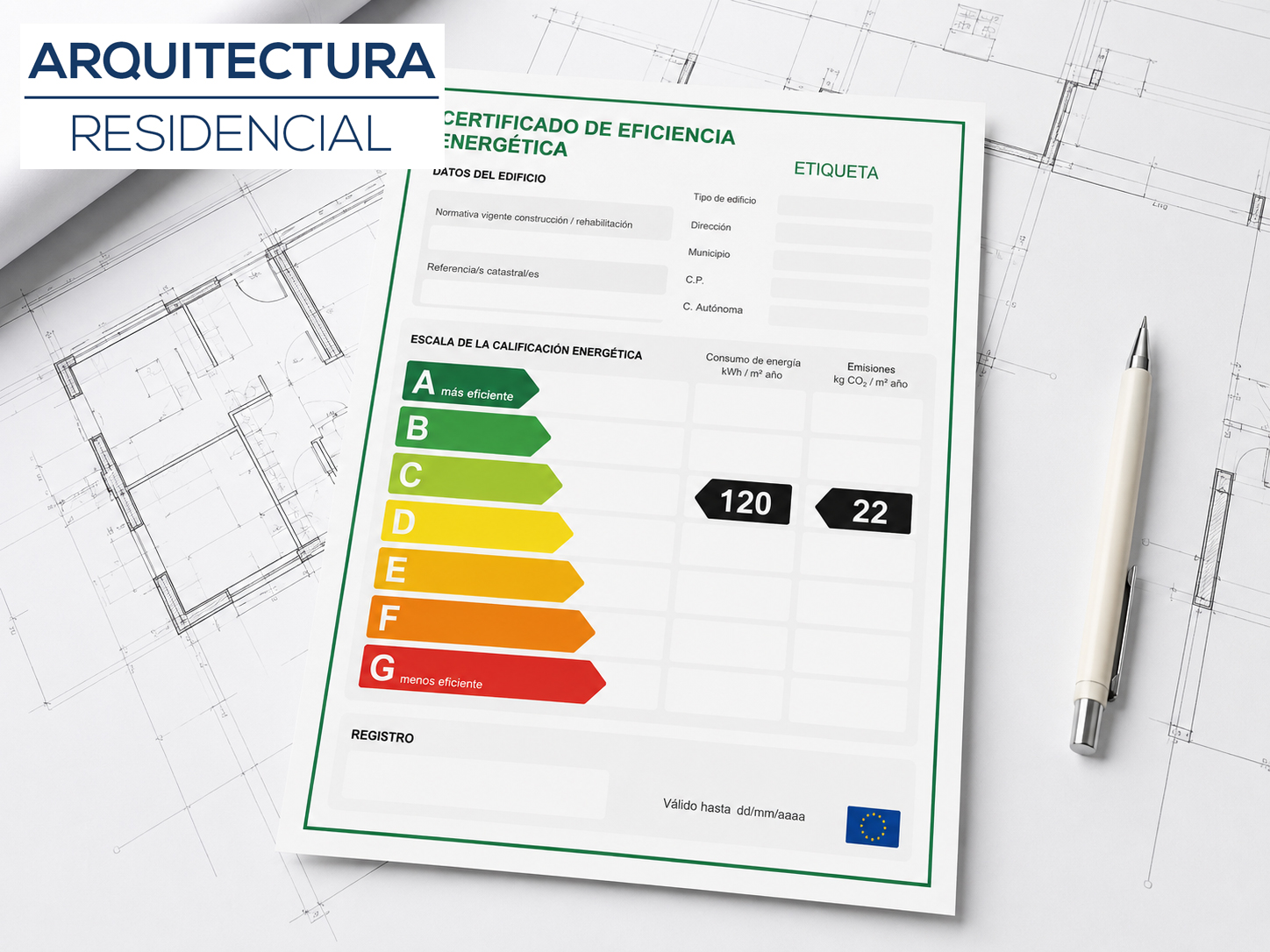
Communicating with the Builder
Once you have identified the defects, contact the builder immediately. Most construction companies have warranty policies and will be willing to address any issues that arise. Provide a detailed description of the defects and, if possible, attach photographs to support your claim.
Documentation
It is essential to document all communications with the builder. Therefore, it is best to save emails, text messages, and any other form of communication to have a clear record of your exchange, as this can be valuable should legal action become necessary.
Professional Inspection
Consider hiring a professional inspector to conduct a thorough review. These experts can often identify problems that might be missed by the untrained eye. While this involves an additional cost, it can be a worthwhile long-term investment.
The keys to addressing defects in your new home are the initial inspection, proactive communication with the builder, and proper documentation to ensure your real estate investment remains sound and trouble-free. By taking the time to address defects promptly, you’ll be contributing to the long-term durability and quality of your home.
Discover more from Your trusted real estate agency in Barcelona
Subscribe to get the latest posts sent to your email.


Join The Discussion